Peacebuilding
People-to-People Peacebuilding
Bereaved families, bilingual schools, youth camps and former combatants: the joint organisations that keep working across the divide.
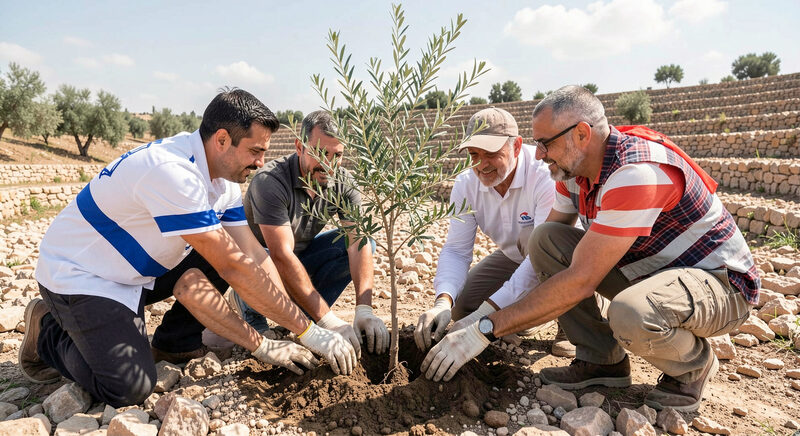
Beneath the level of governments and poster campaigns, a layer of joint organisations has kept working across the Israeli-Palestinian divide for decades. They are small compared with the conflict around them, but they are durable, documented and measurable: schools with waiting lists, a summer camp with thousands of alumni, a forum of bereaved families that meets every week. This section profiles five of them, on the record, with the criticisms each one faces noted rather than omitted.
What people-to-people work means
The phrase covers efforts built on direct contact between Israelis and Palestinians rather than on negotiations between officials. The underlying claim, tested differently by each organisation, is that a durable settlement needs a public that can picture the other side as neighbours. Critics on both sides have long argued that such work can normalise an unequal status quo or substitute goodwill for political change; the better organisations answer that criticism in their own literature, and the profiles here note where they do. The models differ sharply: some build institutions, some build encounters, and some build a shared claim on a resource neither side can use alone.
The five profiles in this section
The Parents Circle-Families Forum gathers more than 600 families who have each lost a member to the conflict and now appear together in schools and public meetings. Seeds of Peace and the Maine Camp looks at three decades of bringing Israeli and Palestinian teenagers to a lakeside camp in Maine. Hand in Hand's Bilingual Schools covers the network where Jewish and Arab children study in both languages every day. EcoPeace and the Water Question follows a tri-national environmental organisation working on the shared river and the shared drought. Combatants for Peace profiles former fighters from both sides who renounced violence and now organise together, including the contested joint memorial ceremony.
What the profiles share
Read together, the five document the same trade-off: contact work is durable precisely because it is modest, and each organisation survives by being smaller than the conflict it works inside. Every profile also records the pressure each body faces, from permit denials and arson to the strain the 2023 war put on every joint structure in the region.
Why five models and not one
The section is organised as profiles rather than a league table because the models answer different questions. The Parents Circle asks whether grief can be shared; Seeds of Peace asks whether a summer can survive the return home; Hand in Hand asks whether a school can run both narratives every day; EcoPeace asks whether a shared river forces cooperation; Combatants for Peace asks whether the people who fought can organise the ones who did not. Each profile records its answer's documented reach and its limit.
Where the facts behind these efforts sit
Peacebuilding does not happen outside politics. Readers who want the documented frame around these organisations, including the aid figures, the timeline and the status of the two-state idea, can use the documented context section, starting with Key Dates of the Conflict and the Gaza blockade explainer.
Peacebuilding
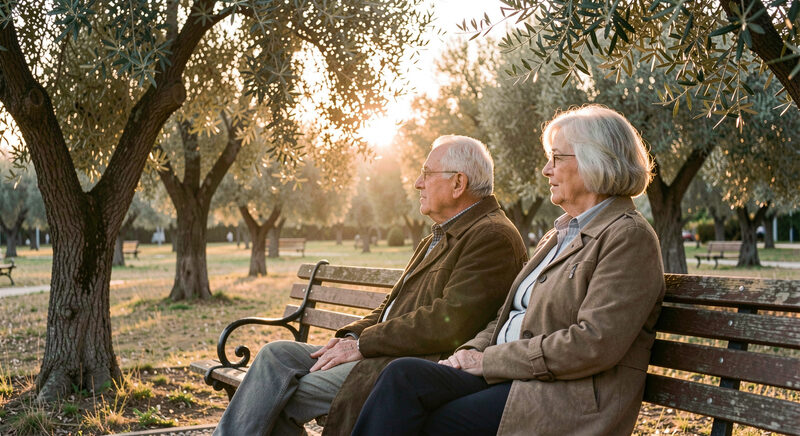
The Parents Circle-Families Forum
More than 600 bereaved Israeli and Palestinian families turned grief into joint advocacy. The history and method of the Parents Circle.
Six hundred bereaved families who chose to meet.
Peacebuilding
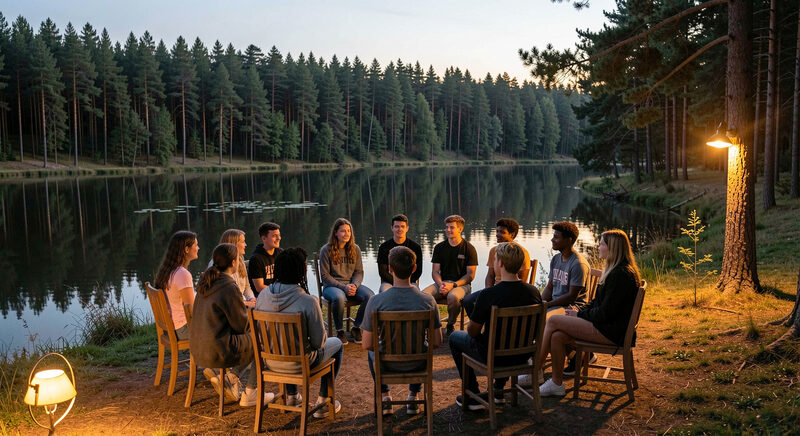
Seeds of Peace and the Maine Camp
Since 1993, Israeli and Palestinian teenagers have met at a lakeside camp in Maine. What three weeks of dialogue can and cannot change.
Teenagers from the conflict, a camp in Maine since 1993.
Peacebuilding
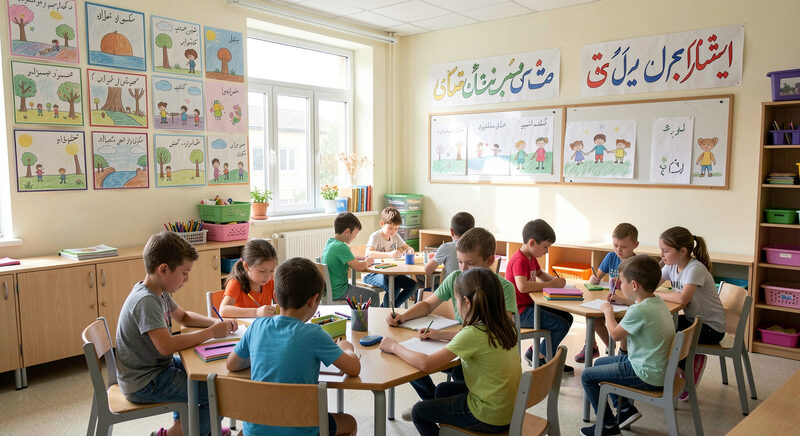
Hand in Hand's Bilingual Schools
A network of schools where Jewish and Arab children learn in Hebrew and Arabic together. How Hand in Hand built a model under pressure.
Bilingual schools built under pressure, still open.
Peacebuilding
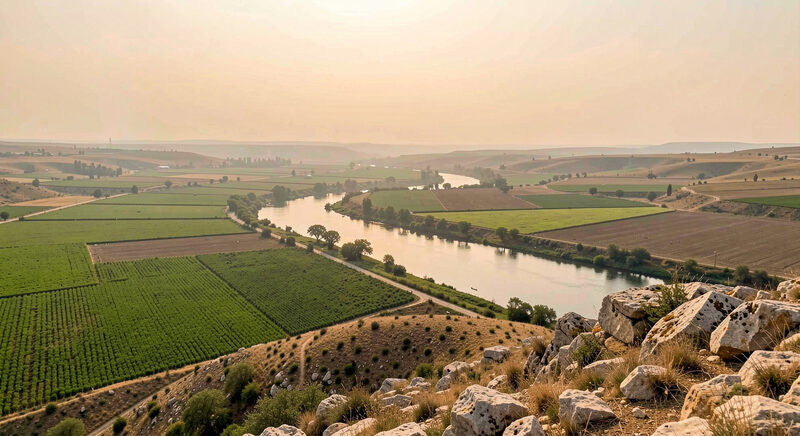
EcoPeace and the Water Question
A Jordanian-Palestinian-Israeli organisation argues that shared water and a shared climate leave no choice but cooperation.
Shared water as an argument nobody can wall off.
Peacebuilding
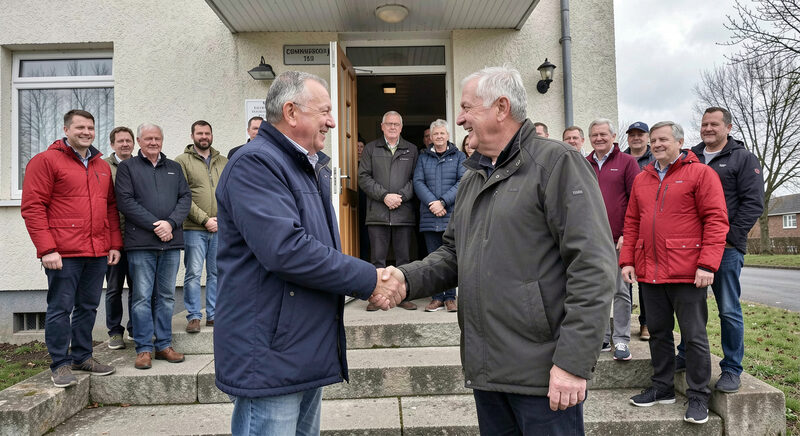
Combatants for Peace
Israeli ex-soldiers and Palestinian ex-prisoners who renounced violence and organised together since 2006. What the movement does now.
Former fighters who now organise together.