Civic Campaigns
Civic Campaigns
How the Israeli-Palestinian conflict moved into American transit spaces: the Be On Our Side posters, the counter-ads and the disputes that followed.
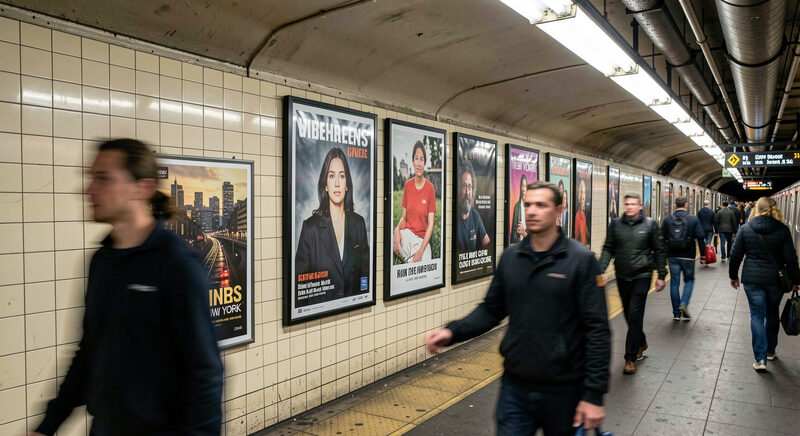
Between 2010 and 2012, the Israeli-Palestinian conflict appeared in an unexpected American venue: the paid advertising frames of buses, commuter trains and subway stations. A coalition running under the name Two Peoples One Future placed posters in Chicago, New York, San Francisco and other cities, and the replies from opposing groups turned transit walls into a documented argument. This section records that episode and the media battles around it, using press coverage and public statements from the time.
Why transit advertising became a battlefield
Public transit offers something few other channels do: a fixed audience reading a fixed message twice a day. A poster inside a rail car stays in view for the length of a commute, and a station poster repeats itself at every platform a rider uses. For advocacy groups with limited budgets, a transit campaign buys weeks of exposure for the price of a few billboards, and it places a political claim in front of people who did not seek it out. That reach is precisely why the campaigns documented here drew attention, and why transit authorities found themselves ruling on questions their charters were never written to answer: whether a political claim belongs in a space built for commerce, who may place it, and who decides.
What this section covers
The section follows the record rather than a side. The Campaign Launch in Chicago reconstructs the first city, where the Committee for a Just Peace in Israel and Palestine placed the posters on elevated trains in October 2010. Inside the Be On Our Side Campaign follows the design and the coalition as the campaign travelled from city to city through 2012. The Billboard War of 2011 documents the counter-campaigns, the transit authority disputes and the court decisions the posters provoked, including the Seattle rejection upheld in federal court.
The cast of the episode
The documented cast is worth keeping straight: Two Peoples One Future was the campaign identity and the web address, local committees were the sponsors in each city, transit authorities were the gatekeepers, and counter-advertisers from pro-Israel and anti-jihad groups were the opposition. The record is clearest when each role stays attached to its own name.
Why the episode is worth recording
The transit ad wars are a small documented episode with a long shadow. They showed that a local coalition could buy national attention for the price of a transit booking, that every paid message could expect a paid answer, and that the referee, the transit authority, would eventually withdraw from the role. Later disputes over advocacy advertising on American buses and trains followed the pattern set here.
How to read the pieces
Each article separates what the campaign stated from what opponents claimed, and each dates its sources. The goal is a usable record: who paid, where the posters ran, what they said, and how institutions responded. A campaign's own description of its goals is always presented as its description, never adopted as this journal's. Readers who want the figures behind the posters' central claim will find them in US Military Aid to Israel, in Figures, in the documented context section, and the organisations doing joint work rather than public argument are profiled in the peacebuilding section.
Civic Campaigns
The Campaign Launch in Chicago
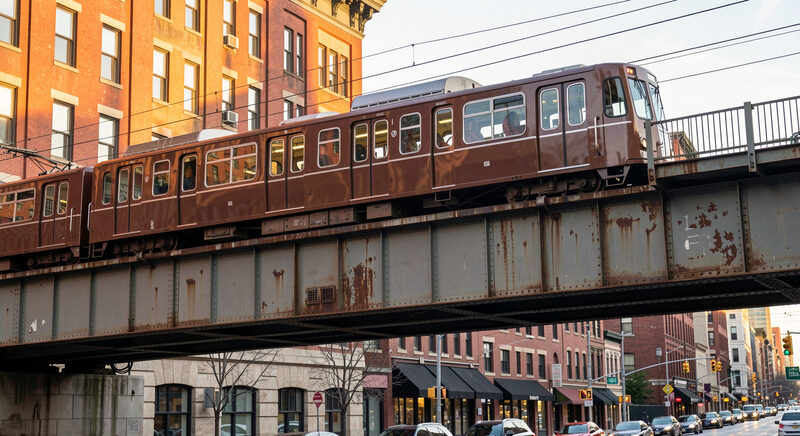
In October 2010 the Be On Our Side posters appeared on Chicago Transit Authority trains. A documented account of the campaign's first city.
October 2010: the first posters rode the Chicago el.
Civic Campaigns
Inside the Be On Our Side Campaign
From Chicago's el trains to the New York subway and the San Francisco BART: how one poster campaign travelled across American transit systems.
One poster, three transit systems, a season of disputes.
Civic Campaigns
The Billboard War of 2011
StandWithUs, the MTA dispute and a councilman's open letter: how the Be On Our Side posters triggered a season of counter-campaigns.
Counter-ads, an open letter and a court decision in Seattle.